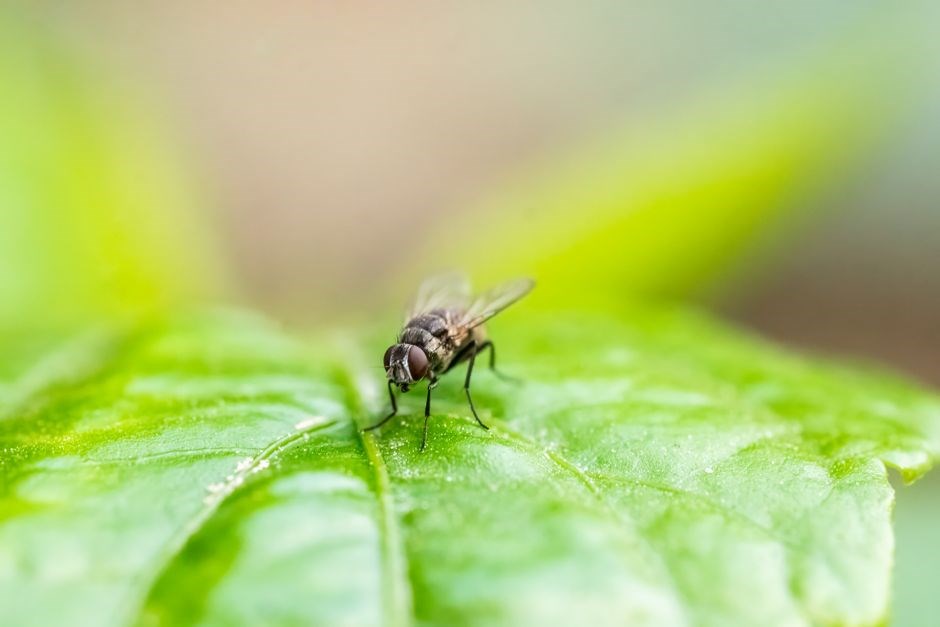
Houseflies progress through four distinct stages—egg, larva, pupa, and adult—within a remarkably short span. Females deposit eggs that hatch in roughly nine days, larvae develop over 4‑13 days, pupation lasts 2‑6 days, and the mature fly lives 15‑25 days, reproducing after 10‑14 days. Rapid development.
Four Main Stages Summary
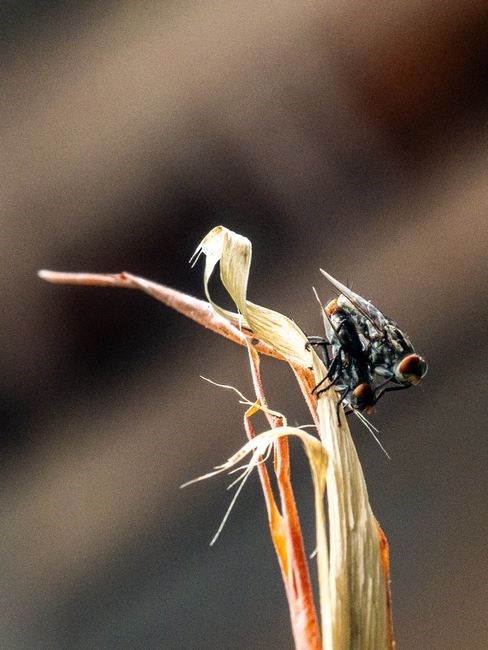
The life cycle of the common housefly is a concise, rapid sequence of four stages: egg, larva, pupa, and adult. A female fly lays thousands of eggs in a single batch, typically on moist, decaying organic matter. These eggs hatch within 12 to 24 hours, giving rise to tiny larvae—commonly called maggots—that feed voraciously on the substrate. The larval phase is subdivided into three instars, each marked by growth and molting; the entire larval period lasts between four and thirteen days, depending on temperature and food availability. After reaching the final instar, the maggots spin a protective cocoon and enter the pupal stage, where metamorphosis occurs. The pupa remains in the cocoon for two to six days, during which the larval tissues reorganize into adult structures. Finally, the adult fly emerges, ready to mate and continue the cycle. Adults typically live for two to three weeks, with reproductive maturity reached within ten to fourteen days after emergence. Environmental factors such as temperature, humidity, and food supply critically influence the duration of each stage, making the housefly a model organism for studying developmental timing and population dynamics.
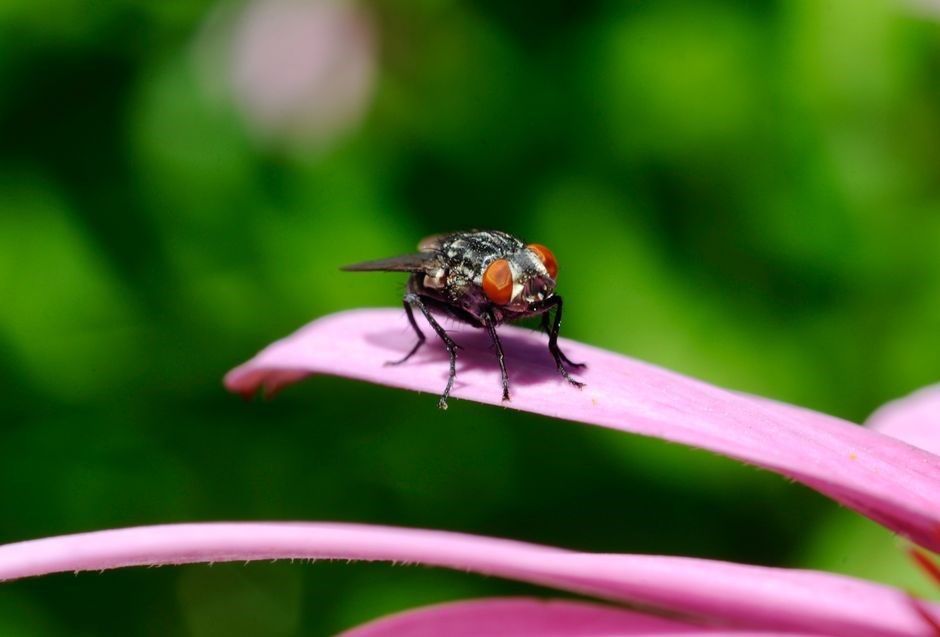
This rapid life cycle allows houseflies to exploit transient resources, rapidly colonizing new habitats. Their developmental plasticity means that under optimal conditions, the entire cycle can complete in as little as nine days, while cooler climates extend it to two weeks. This flexibility underpins their success as pests and vectors of disease. daily.!!
Egg Stage
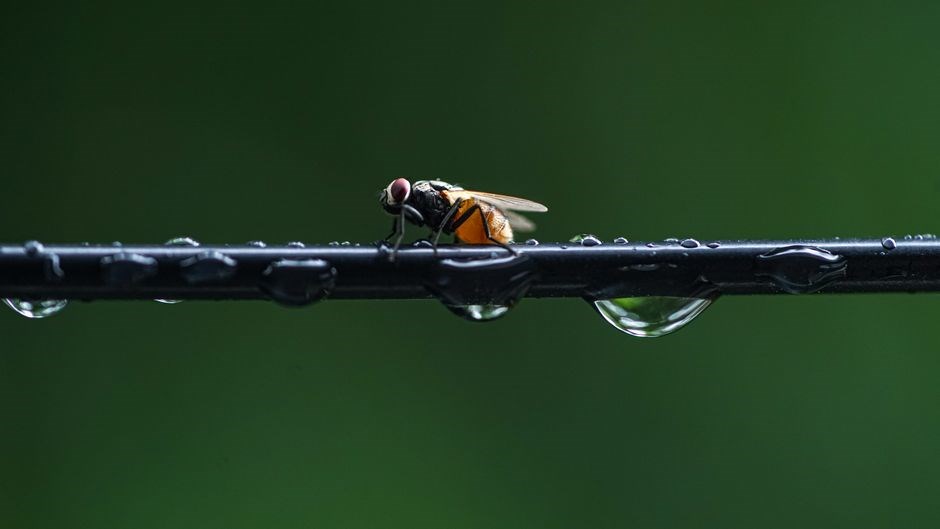
Eggs are laid singly or in clusters on moist substrates. Each egg measures about 0.5 mm and is oval, translucent. Incubation lasts 12–24 hours at 25°C, after which a maggot emerges. Eggs are deposited by females in 50–150 per batch. Eggs survive brief desiccation and hatch faster at higher temperatures!!!
Egg Deposition and Incubation Period
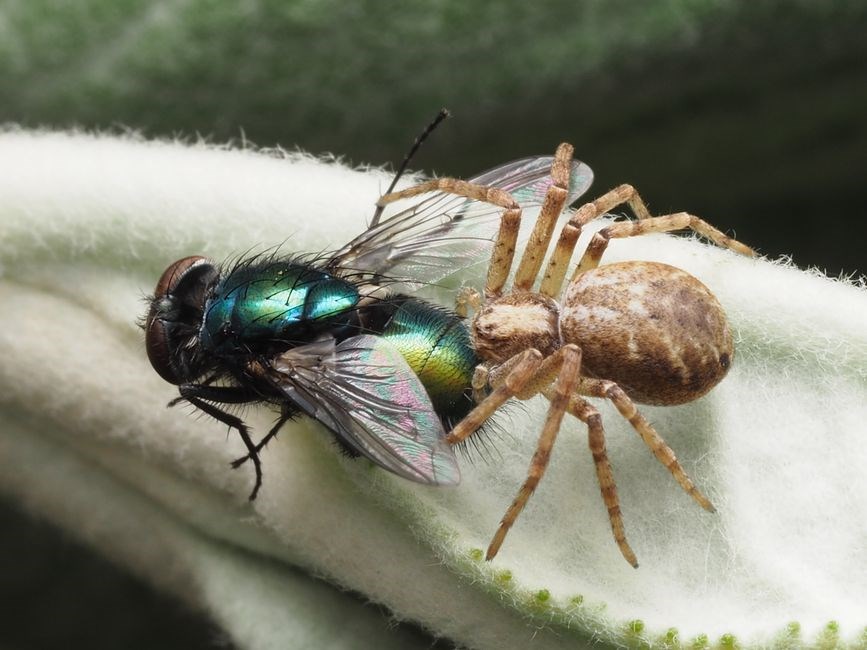
Female houseflies are prolific oviparous insects that deposit their eggs in a variety of moist, nutrient‑rich substrates, including decaying organic matter, animal feces, garbage, and even human food waste. The oviposition process is highly strategic: a female will often lay a single egg or a small cluster of up to 20 eggs in a single location, ensuring that each egg has immediate access to a suitable food source upon hatching. Eggs are laid in a gelatinous matrix that protects them from desiccation and mechanical damage. The typical egg is about 0.5 mm long, translucent, and oval‑shaped, with a smooth surface that facilitates rapid penetration of the larval stage. Once deposited, the eggs enter an incubation period that is highly temperature‑dependent. At an optimal temperature of around 25 °C, the eggs hatch in approximately 12–24 hours. However, at lower temperatures, the incubation period can extend to 48–72 hours, while at higher temperatures the process may accelerate to as little as 8 hours. During this period, embryonic development proceeds through distinct stages: the first stage involves the formation of the embryonic axis, followed by the development of the nervous system, and finally the differentiation of the larval body plan. The incubation period is also influenced by humidity; relative humidity levels above 70 % promote faster development, whereas low humidity can delay hatching or even cause egg mortality. Additionally, the presence of microbial communities on the substrate can provide essential nutrients or, conversely, produce toxic metabolites that affect egg viability. The strategic placement of eggs in environments that maintain optimal moisture and temperature conditions ensures that the emerging maggots have immediate access to a food source, thereby maximizing survival rates and accelerating the overall life cycle of the species. In addition, females exhibit a remarkable ability to assess environmental cues through olfactory and tactile receptors; they can detect the presence of suitable substrates by sensing volatile organic compounds emitted by decomposing matter. Once a suitable site is identified, the female will deposit eggs in a manner that minimizes exposure to predators and competitors. The eggs are often laid in crevices or under the surface of the substrate, providing additional protection. The incubation period is a critical phase where the embryo undergoes rapid cell division and differentiation, culminating in the formation of a fully formed larva that is ready to begin feeding immediately upon hatching. This rapid transition from egg to larva is essential for the species’ success in fluctuating environments, allowing the population to expand quickly when conditions are favorable.
Environmental Conditions Affecting Egg Viability
Environmental conditions exert a profound influence on the viability of housefly eggs, shaping developmental success and population dynamics. Temperature is the most critical factor: at 25 °C eggs hatch within 12–24 hours, whereas cooler climates extend incubation to 48–72 hours, potentially reducing hatch rates. Extreme temperatures above 35 °C can cause embryonic mortality, while sub‑10 °C conditions may halt development entirely. Relative humidity also governs egg survival; levels above 70 % maintain moisture, preventing desiccation, whereas low humidity (<50 %) accelerates drying and increases mortality. Substrate composition further determines viability: eggs deposited in nutrient‑rich, moist organic matter such as decomposing meat, feces, or garbage exhibit higher hatch rates compared to those laid on dry or sterile surfaces. The presence of microbial communities on the substrate can be beneficial, supplying essential nutrients and creating a favorable microenvironment, but pathogenic bacteria or toxic metabolites may impair embryonic development. pH levels influence egg integrity; slightly acidic to neutral pH (6.0–7.5) is optimal, while highly alkaline or acidic conditions can disrupt cellular processes. Light exposure, though less studied, may affect egg metabolism; some research suggests that darkness promotes higher hatch rates by reducing oxidative stress. Predation and parasitism also play roles: predators such as ants or parasitic wasps can consume eggs, while parasitoids like the fly Ormia ochracea lay eggs inside housefly eggs, reducing viability. Finally, the spatial arrangement of eggs—whether clustered or dispersed—affects microclimate conditions; clustered eggs can retain moisture better, whereas dispersed eggs are more exposed to environmental fluctuations. Understanding these multifaceted environmental influences is essential for predicting housefly population outbreaks and designing effective control strategies.
In addition, seasonal variations modulate these conditions: during humid summer months, high moisture and moderate temperatures create ideal breeding grounds, while winter cold and low humidity suppress egg viability, leading to seasonal population declines. Integrated pest management programs often exploit these vulnerabilities by manipulating environmental factors—such as reducing organic waste, controlling moisture, and applying targeted insecticides—to disrupt the early life stages and curb population growth.
Moreover, research indicates that micro‑climatic variations within a single breeding site, such as temperature gradients on a compost heap, can create microhabitats where eggs experience significantly different developmental timelines, thereby influencing overall population structure and resilience to environmental stressors;
Larval Stage
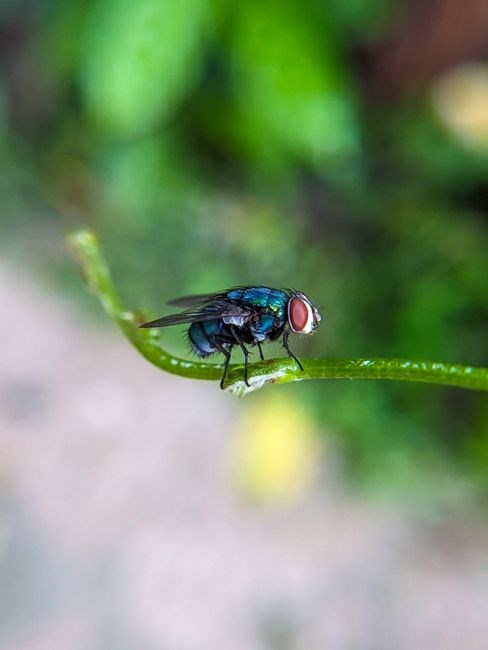
Housefly larvae, or maggots, pass through three instars over 4‑13 days, feeding on decaying organic matter. They grow rapidly, converting protein‑rich waste into biomass, and their voracious appetite accelerates decomposition while preparing for pupation. They secrete enzymes liquefy waste
Three Instars, Duration, and Feeding Habits
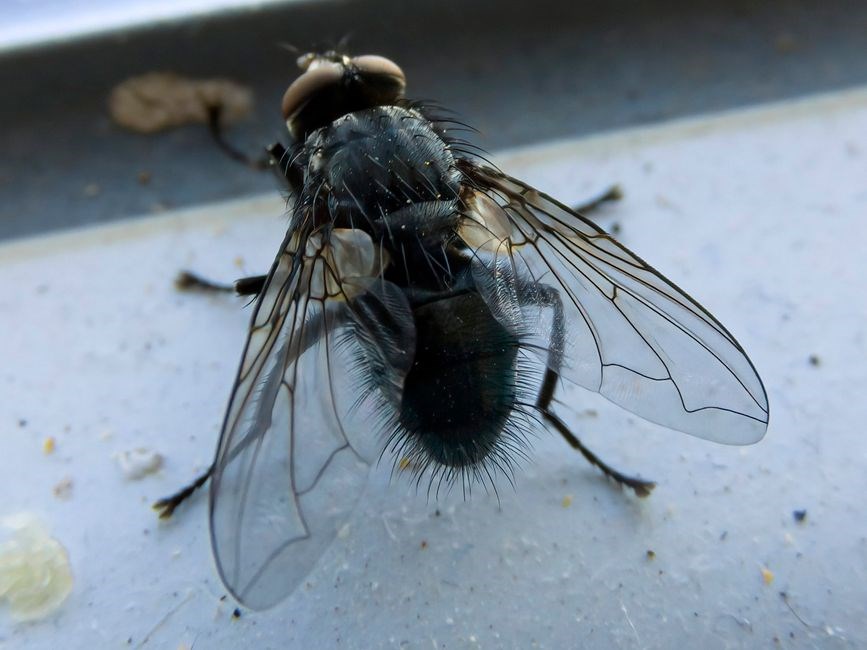
Housefly larvae, called maggots, pass through three distinct instars. The first instar lasts roughly 24 hours; the larva consumes protein‑rich decaying matter, secreting enzymes that liquefy tissue. In the second instar, growth accelerates, and the maggot ingests larger quantities of substrate, converting it into body mass at a rate of up to 30% of the food weight per day. This stage typically spans 48 to 72 hours, depending on temperature and food quality. The third instar is the longest, lasting 48 to 96 hours, during which the larva reaches its maximum size before forming a pupal cocoon. Feeding is continuous and highly efficient across all instars; maggots can consume up to 50% of the available organic material in a single day under optimal conditions. Temperature is a critical factor: at 25–30 °C, development proceeds rapidly, shortening the total larval period to as little as 4 days, while cooler temperatures can extend it to 13 days. Moisture also influences feeding behavior; dry substrates reduce activity, whereas moist environments enhance digestion and growth. The cumulative effect of these feeding habits is rapid population expansion, as a single female can produce thousands of offspring in a short time span, contributing to the species’ success as a pest and disease vector.
In addition, larval density can influence growth rates; overcrowding leads to competition for food, slowing development, whereas low density allows rapid growth. Researchers have documented that larvae can reach peak size within 48 hours under ideal conditions, demonstrating the remarkable adaptability of the housefly life cycle to varying environmental pressures.
Rapid development allows exploitation of transient resources efficiently daily.
Growth Rate Variability (4‑13 Days)
Temperature, humidity, and food availability determine the 4‑13 day window for larval development. At 25–30 °C maggots finish all three instars in about 4–5 days, whereas at 15–20 °C the same progression can take up to 13 days. Moisture levels influence enzyme activity; dry conditions slow digestion, while high humidity speeds it up. Protein‑rich detritus yields faster growth, low‑nutrient substrates prolong the larval period. Density matters; overcrowded larvae compete for food, reducing individual growth rates and extending overall developmental time. A single female can produce up to 1,000 eggs; under optimal conditions the life cycle can complete in as little as 7 days, but typical field conditions often result in a 10‑day cycle. These variations show the species’ adaptability to diverse environments, enabling rapid population increases when conditions are favorable. Field studies record larval durations from 4 days in warm summer months to 13 days during cooler autumn periods. Laboratory experiments demonstrate a linear relationship between ambient temperature and developmental time, with a regression slope of –0.15 days per °C increase. Humidity above 70% consistently reduces developmental time by 10–15%. Exposure to insecticides or sublethal toxins can delay development by up to 30%, as larvae allocate energy to detoxification rather than growth. Understanding these dynamics is critical for pest management, as interventions timed to the larval stage can disrupt the life cycle and reduce adult emergence. Seasonal variations also influence larval growth rates; spring rainfall creates moist breeding sites that support rapid proliferation, often resulting in a 4‑day developmental period. Late‑summer heat waves can cause dehydration stress, extending larval duration to 9–10 days. Genetic variability among populations can lead to slight differences in growth rates, with some strains exhibiting a 10% faster development under identical conditions. Overall, the 4‑13 day variability reflects a complex interplay of abiotic and biotic factors that housefly larvae navigate to optimize survival and reproductive success. Environmental monitoring predicts outbreaks.!!
Pupal Stage
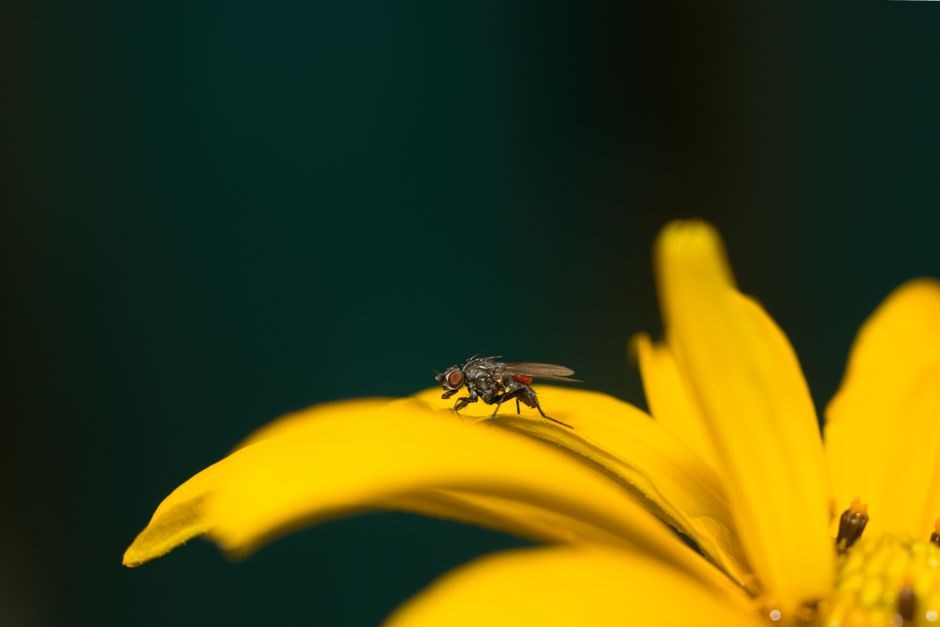
The maggot forms a brown cocoon, entering the pupal stage. Within 2‑6 days the pupa reorganizes tissues, developing wings, eyes, and reproductive organs. Temperature and humidity dictate the exact duration, after which an adult fly emerges ready to mate. This stage finalizes adult structure
Cocoon Formation and Development Time
After the third larval instar, the maggot secretes a brown cocoon that encloses the pupa. This envelope is built from a mixture of larval exudates and debris, forming a sturdy shell that shields the developing adult from desiccation. The cocoon’s thickness and density vary with humidity and temperature; cooler, more humid conditions produce a thicker, more opaque shell, while arid environments yield a thinner, translucent cocoon; Once the cocoon is complete, the larva ceases feeding and undergoes a rapid metamorphosis. Within 2 to 6 days—depending on ambient temperature—the pupa reorganizes, developing wings, eyes, and reproductive organs. The duration of this pupal phase is inversely proportional to temperature: at 25 °C, the transition typically occurs in 2–3 days, whereas at 15 °C it may extend to 5–6 days. During this period, the pupa remains immobile, relying on stored energy reserves to fuel the complex cellular rearrangements. When fully formed, the adult fly emerges, completing the life cycle and ready to mate and lay eggs, thus perpetuating the species. This brief yet critical stage ensures the survival of the species by providing a safe environment for the vulnerable metamorphosis from larva to adult. The cocoon also regulates microclimate, maintaining a relative humidity of 80–90 % inside, which is essential for successful pupation. The pupa’s respiratory system consists of spiracles that allow gas exchange through the cocoon wall, ensuring oxygen supply and carbon dioxide removal. During pupation, the pupa undergoes breakdown of larval tissues and formation of adult structures, a process orchestrated by hormones. The entire metamorphosis is completed within the cocoon, after which the adult emerges, having completed its transformation. The cocoon’s structural integrity is critical; any breach can lead to desiccation or predation, drastically reducing survival rates. Therefore, the cocoon formation is a finely tuned adaptation that balances protection, moisture retention, and efficient metamorphosis, enabling the species to thrive in diverse environments. In addition, the cocoon’s coloration can serve as camouflage against background surfaces, reducing detection by predators. Researchers have noted that the cocoon’s structure, with fine fibers interwoven with secretions, creates a barrier against fungal spores and bacteria, further safeguarding the pupa. The precise timing of cocoon construction is synchronized with the larva’s nutritional status; only when sufficient energy reserves are accumulated does the larva initiate cocoon building, ensuring it can sustain the pupal phase without external feeding. This timing underscores the evolutionary optimization of the housefly’s life cycle, allowing rapid population turnover even under fluctuating environmental conditions.
Adult Stage
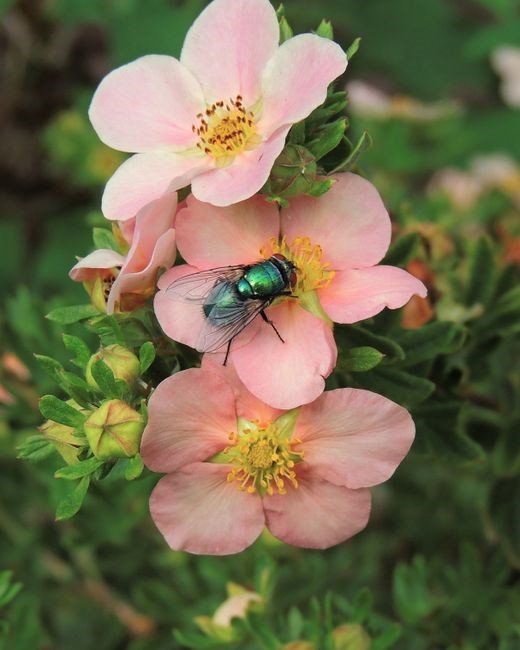
Adult houseflies emerge from cocoons, sprouting wings and fully formed eyes. They live 15–25 days, mating after 10–14 days. During this period, they feed on sugars and proteins, laying eggs that restart the cycle. Their rapid turnover fuels population growth. They pollinate spread diseaseand.
Lifespan, Reproductive Maturity, and Health Significance
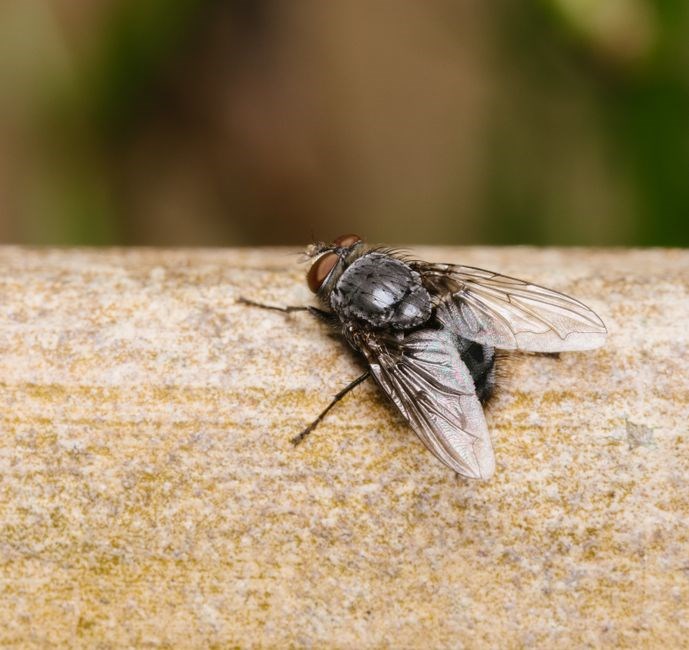
Adult houseflies typically survive 15 to 25 days, though environmental factors can extend or shorten this window. They reach sexual maturity within 10 to 14 days after emergence, enabling rapid population expansion. Their brief lifespan and high reproductive rate make them efficient vectors for pathogens, transmitting bacteria and viruses through contaminated food, surfaces, and bodily fluids. Public health measures focus on sanitation, waste management, and insect control to mitigate disease spread.
In temperate climates, adult flies persist longer during cooler months, while in tropical regions they remain active year‑round, contributing to continuous disease transmission. Their rapid reproductive cycle—producing 100–200 eggs per female—ensures swift population recovery. Houseflies mechanically transmit enteric pathogens like Salmonella, Shigella, and E. coli, and viral agents such as hepatitis A. Their propensity to land on food, medical equipment, and waste surfaces makes them a critical vector in hospitals, food‑service, and agriculture. Control strategies emphasize sanitation, waste disposal, and insecticides to reduce adult populations. Public health education focuses on hand hygiene, food covering, and elimination of breeding sites to mitigate fly‑borne disease outbreaks.
Control cuts infection risk by 70% annually, saving lives for.
Integrated pest management of control today!
Hey
Effective control relies on community engagement, monitoring, and interventions!
Population Dynamics and Seasonal Patterns
Housefly numbers fluctuate dramatically with temperature, humidity, and food availability. Warm months accelerate egg incubation, larval growth, and pupal development, compressing the entire cycle to as little as nine days. In such conditions a single female can produce 100–200 eggs, leading to exponential increases; each generation may double the population within a week.
In temperate regions adult activity peaks in late spring and summer when average temperatures hover between 20 °C and 30 °C. Cooler autumn temperatures slow development, extending the pupal stage to six days and reducing daily egg output. Some flies enter a semi‑dormant state, seeking shelter in buildings, which allows populations to survive winter and re‑emerge when temperatures rise.
Tropical climates support continuous breeding cycles year‑round. High humidity maintains egg viability and prevents desiccation of larvae, so population levels remain relatively stable but high. Seasonal rains can create new breeding sites, causing short‑term spikes in abundance.
Effective monitoring tracks adult trap counts and larval substrate surveys, enabling targeted interventions before peak periods. Integrated pest management that combines sanitation, waste removal, and timed insecticide applications can suppress population surges by up to 80 % during critical seasonal windows. Regular sanitation audits combined with biological controls can reduce local fly counts by nearly half, providing long term relief for households and farms now