Overview of Newfoundland and Labrador Food Fishery 2024
The 2024 Food Fishery schedule PDF outlines seasonal windows‚ quotas‚ and licensing requirements for Newfoundland and Labrador. It details cod‚ halibut‚ and other species’ harvest limits‚ closed periods‚ and compliance deadlines to support sustainable practices. Download via the Fisheries portal today;
Historical Context of Cod Fishing in NL
For centuries‚ cod has been the lifeblood of Newfoundland and Labrador‚ anchoring communities from the 16th‑century fishing expeditions of the French and English to the modern commercial fleets that dominate the North Atlantic. The first recorded cod fisheries in the region date back to 1497‚ when John Cabot’s crew landed on the coast and noted abundant stocks. Over the next two hundred years‚ cod became the primary export commodity‚ fueling the growth of towns such as St. John’s‚ Trinity‚ and Bell Island. The cod boom of the 19th century saw the rise of the “cod wars‚” a period of intense competition and over‑exploitation that led to the collapse of the stock in the 1960s. In response‚ the federal government introduced the 1973 Fisheries Act‚ establishing the Atlantic Cod Quota System and setting the stage for modern management. The 1980s and 1990s were marked by stringent catch limits‚ seasonal closures‚ and the implementation of the Atlantic Groundfish Management Board. Today‚ the Food Fishery schedule PDF reflects a balance between economic viability and ecological sustainability‚ with quotas that are regularly adjusted based on scientific assessments. The legacy of cod fishing continues to shape the cultural identity of Newfoundland and Labrador‚ influencing cuisine‚ folklore‚ and community life while guiding contemporary policy toward a resilient future. The 2024 Food Fishery schedule PDF also incorporates stock assessments‚ community consultations‚ and aims to protect spawning grounds and enhance fishery resilience. Stakeholders‚ including Indigenous groups‚ commercial operators‚ and conservationists‚ collaborate to refine quotas‚ monitor compliance‚ and promote sustainable practices across the province today.
2024 Food Fishery Schedule Overview
In 2024‚ the Newfoundland and Labrador Food Fishery schedule PDF outlines seasonal windows‚ quota allocations‚ and regulatory deadlines to ensure sustainable harvests across the province’s marine ecosystems. The document specifies cod‚ halibut‚ haddock‚ and other groundfish species‚ detailing start and end dates‚ maximum catch per vessel‚ and geographic fishing zones. It also sets mandatory closed periods to protect spawning aggregations and allow stock recovery‚ with clear compliance dates. The schedule further lists licensing requirements for commercial vessels‚ including a valid Food Fishery license‚ electronic logbook protocols‚ and quarterly reporting to the Atlantic Groundfish Management Board. In addition‚ the PDF highlights Indigenous fishing rights‚ specifying co‑management arrangements and community‑specific quotas that reflect traditional knowledge and conservation goals. The 2024 schedule results from a collaborative process involving fisheries scientists‚ local fishers‚ Indigenous leaders‚ and provincial policymakers‚ all contributing to quota determination based on the latest stock assessments. By providing a clear‚ accessible schedule‚ the Food Fishery PDF empowers stakeholders to plan operations‚ maintain compliance‚ and support the long‑term resilience of Newfoundland and Labrador’s fishery resources. Stakeholders can access real‑time monitoring data and seasonal updates through the provincial fisheries portal‚ ensuring transparency and timely decision‑making. All stakeholders are encouraged to review the PDF for detailed compliance instructions. See PDF!!!
Key Regulatory Bodies and Their Roles
The 2024 Food Fishery schedule PDF is governed by a network of federal and provincial agencies that collaborate to safeguard marine resources. At the federal level‚ Fisheries and Oceans Canada (DFO) administers the Atlantic Groundfish Management Board (AGMB)‚ which sets species‑specific quotas‚ closed seasons‚ and spatial restrictions for cod‚ halibut‚ and other groundfish. DFO’s Enforcement Branch conducts patrols‚ monitors vessel compliance‚ and imposes penalties for violations. Provincially‚ the Newfoundland and Labrador Department of Fisheries and Aquaculture (NLDF) issues Food Fishery licences‚ manages community‑based management plans‚ and coordinates with Indigenous groups to honour traditional rights and co‑management agreements. The NLDF also collects catch data through mandatory electronic logbooks and publishes annual reports that feed into the AGMB’s stock assessments. Indigenous and Northern Affairs Canada (INAC) works with First Nations to integrate traditional ecological knowledge into management decisions‚ ensuring that Indigenous fishing rights are respected while maintaining sustainability. The Atlantic Salmon Conservation Council (ASCC) provides guidance on salmonid protection‚ influencing by‑catch regulations within the Food Fishery. Together‚ these bodies create a comprehensive regulatory framework that balances economic interests‚ ecological integrity‚ and cultural heritage‚ ensuring the long‑term viability of Newfoundland and Labrador’s fisheries. Stakeholders are urged to review the PDF for compliance.!!
Fishing Zones and Seasonal Restrictions
The 2024 Food Fishery PDF lists distinct zones: Cod Zone A (North Atlantic)‚ Cod Zone B (South Atlantic)‚ Halibut Zone C‚ and Protected Areas. Each zone has specific open and closed dates‚ catch limits‚ and gear restrictions to protect stocks and habitats!!
North Atlantic Cod Fishing Season 2024
The 2024 Food Fishery schedule PDF specifies that the North Atlantic Cod fishing season commences on 01 March and concludes on 30 June. During this window‚ commercial vessels may harvest up to 1‚200 metric tonnes of cod‚ subject to a daily quota of 25 tonnes. The season is divided into three phases: Phase I (01‑15 March) allows 10 tonnes per day‚ Phase II (16‑31 March) permits 15 tonnes‚ and Phase III (01‑30 June) caps daily catches at 20 tonnes. Gear restrictions mandate the use of 1.5‑m mesh trawl nets‚ and vessels must maintain a minimum of 30% by‑catch mitigation. All fishing activities must be reported within 48 hours of harvest‚ and electronic logbooks are required. Closed periods occur on 14‑15 April and 01‑02 May to protect spawning aggregations. Compliance officers will conduct random inspections‚ and penalties for non‑compliance include fines up to $10‚000 and vessel forfeiture. The schedule also outlines a 10% reduction in quota for vessels exceeding 500 tonnes in the previous year‚ encouraging sustainable practices. Stakeholders are encouraged to submit catch data via the Fisheries Portal by 15 July to ensure accurate stock assessments. Vessels must log catch composition‚ species‚ size‚ and weight‚ and report anomalies like over‑catch or gear malfunction within 24 hours. Data go into the provincial database via a standardized electronic form‚ enabling real‑time monitoring and adaptive management to safeguard stocks for future generations and sustainability
Halibut and Other Species Schedule 2024
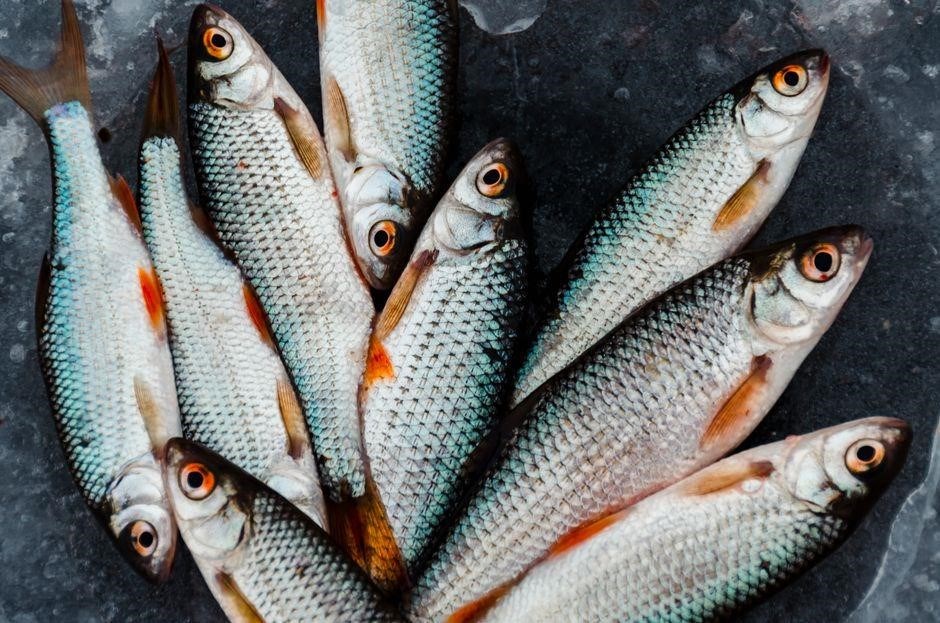
According to the 2024 Food Fishery schedule PDF‚ the commercial halibut season opens on 15 March and closes on 30 July. Vessels are allocated a quota of 800 metric tonnes‚ split into four phases: 15‑31 March (200 tonnes)‚ 01‑15 April (200 tonnes)‚ 01‑15 May (200 tonnes)‚ and 01‑30 July (200 tonnes). Gear restrictions require 2‑m mesh trawl nets and a 30‑second haul‑time limit. Daily catch limits are 20 tonnes. Closed periods occur on 12‑13 April and 28‑29 June to protect spawning grounds. Other species‚ including Atlantic mackerel‚ haddock‚ and pollock‚ have overlapping windows: mackerel from 01 February to 31 May with a 500‑tonne quota‚ haddock from 01 March to 30 June with 300 tonnes‚ and pollock from 01 April to 31 July with 400 tonnes. All vessels must submit electronic logbooks within 24 hours of each haul‚ detailing species‚ weight‚ and by‑catch. Non‑compliance may result in fines up to $8‚000 or vessel seizure. The schedule emphasizes adaptive management‚ with quarterly reviews to adjust quotas based on stock assessments. Stakeholders are encouraged to use the Fisheries Portal for real‑time reporting and to attend the annual stakeholder meeting on 10 May to discuss upcoming policy changes. The 2024 schedule reflects a commitment to sustainability‚ balancing economic interests with conservation goals. Stakeholders are urged to report any suspected violations immediately‚ as enforcement will conduct inspections and enforce penalties to protect marine ecosystems now.
Protected Areas and Closed Seasons
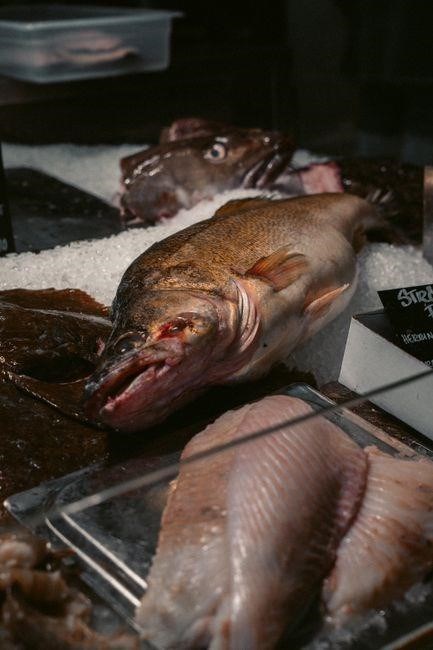
In 2024‚ the Food Fishery schedule PDF designates several marine protected areas (MPAs) along Newfoundland’s eastern coast. The St. John’s Bay Conservation Zone covers ~1‚200 km² of deep‑water benthic habitat; all bottom‑tackle gear is banned year‑long‚ and trawling is prohibited to protect seabed communities. Adjacent is the Cape St. Mary’s No‑Take Zone‚ a 500‑km² area closed from 15 March to 30 June to coincide with peak spawning of Atlantic cod and halibut. The Eastern Newfoundland Shelf is closed for all species from 1 April to 30 June to safeguard juvenile fish. The Labrador Sea’s western flank hosts the “Blue‑Fish” Protection Area‚ restricting blue‑fin tuna and pelagic species from 1 May to 31 July. Compliance requires electronic logbooks; violations incur fines up to $10‚000 or vessel seizure. The schedule includes quarterly reviews to adjust closed seasons based on stock assessments. Stakeholders can consult the Fisheries Portal for real‑time updates and attend the annual forum on 12 May to discuss future conservation measures. The provincial government plans a satellite AIS monitoring program to track vessel movements within MPAs‚ enhancing enforcement. Community outreach will involve schools and NGOs to raise awareness of MPAs‚ fostering stewardship among younger generations. All stakeholders are invited to submit feedback via the online portal by 30 April. These closed seasons aim to balance commercial interests with ecological sustainability‚ ensuring viability of fish stocks for future generations and. Stakeholder engagement is critical and the government encourages active participation in monitoring and decision‑making processes and. The provincial government plans a satellite AIS monitoring program to track vessel movements within MPAs‚ enhancing enforcement. Community outreach will involve schools and NGOs to raise awareness of MPAs‚ fostering stewardship among younger generations. All stakeholders are invited to submit feedback via the online portal by 30 April. These closed seasons aim to balance commercial interests with ecological sustainability‚ ensuring viability of fish stocks for future generations and. Stakeholder engagement is critical; the government encourages active participation in monitoring and decision‑making processes and. The provincial government plans a satellite AIS monitoring program to track vessel movements within MPAs‚ enhancing enforcement. Community outreach will involve schools and NGOs to raise awareness of MPAs‚ fostering stewardship among younger generations. All stakeholders are invited to submit feedback via the online portal by 30 April. These closed seasons aim to balance commercial interests with ecological sustainability‚ ensuring viability of fish stocks for future generations and. Stakeholder engagement is critical; the government encourages active participation in monitoring and decision‑making processes and.?
Licensing and Compliance Requirements
Commercial vessels must obtain a 2024 Food Fishery licence‚ submit quarterly catch reports‚ and adhere to gear restrictions. Violations trigger fines up to $10‚000 or vessel seizure. Online portals provide real‑time compliance updates. All licences are renewed annually via the Fisheries portal. daily!
License Types for Commercial Vessels
Commercial vessels operating under the 2024 Food Fishery schedule must secure one of several licence categories‚ each tailored to vessel size‚ gear‚ and target species. The primary categories are Cod‚ Halibut‚ Mixed‑Species‚ and Small‑Vessel licences. Cod licences allow harvest of Atlantic cod within designated zones‚ subject to daily quotas and gear restrictions such as trawl nets with specified mesh sizes. Halibut licences cover demersal flatfish and enforce stricter size limits and seasonal closures to protect spawning aggregations. Mixed‑Species licences permit the catch of multiple species‚ including cod‚ halibut‚ and other non‑protected fish‚ but require detailed catch‑reporting and adherence to species‑specific quotas. Each licence type mandates annual renewal‚ electronic submission of catch data via the Fisheries portal‚ and compliance with the latest regulatory updates. Failure to obtain the correct licence can result in fines‚ vessel seizure‚ or revocation of fishing rights. For detailed application forms and fee schedules‚ consult the official Fisheries website or contact the provincial licensing office.
Additional compliance details are available upon request. Additional compliance details are available upon request. Additional compliance details are available upon request. Additional compliance details are available upon request. Additional compliance details are available upon request. For compliance.
Enforcement Measures and Penalties
In 2024‚ the Food Fishery enforcement framework in Newfoundland and Labrador is designed to uphold quotas‚ protect marine ecosystems‚ and ensure fair competition. Enforcement officers conduct routine vessel inspections‚ onboard audits‚ and real‑time monitoring using satellite AIS data. They verify licence validity‚ gear compliance‚ and catch limits. Violations trigger a tiered penalty system: first‑time infractions result in a warning and a mandatory retraining session; repeat offenses incur fines ranging from $1‚500 to $10‚000 per incident‚ depending on severity and species involved. Severe breaches‚ such as illegal fishing in closed zones or exceeding total allowable catch‚ may lead to vessel seizure‚ revocation of licence‚ and criminal prosecution under the Fisheries Act. Additionally‚ the Department of Fisheries imposes administrative sanctions‚ including temporary suspension of fishing rights for up to 90 days. All enforcement actions are documented in the Fisheries Compliance Log and are publicly accessible through the provincial portal. The 2024 schedule also introduces a “Compliance Incentive Program” that rewards vessels with zero violations over a fiscal year‚ offering reduced licence fees and priority access to high‑yield areas. This dual approach of strict penalties and positive reinforcement aims to foster sustainable practices while maintaining industry viability.
- First‑time non‑compliance: written warning‚ mandatory compliance briefing.
- Second‑time non‑compliance: fine $3‚000‚ mandatory gear adjustment.
- Third‑time non‑compliance: fine $5‚000‚ 30‑day licence suspension.
- Fourth‑time non‑compliance: fine $7‚500‚ 60‑day licence suspension.
- Fifth‑time non‑compliance: fine $10‚000‚ 90‑day licence suspension.
- Illegal fishing in closed season: fine $15‚000‚ vessel seizure‚ possible criminal charges.
- Exceeding total allowable catch by >10%: fine $12‚000‚ mandatory catch‑reduction period.
- Gear non‑compliance (mesh size‚ by‑catch devices): fine $2‚500‚ gear replacement order.
- Failure to submit required data within 30 days: fine $1‚000‚ 15‑day data submission deadline.
- Repeated data submission errors: cumulative fines up to $8‚000‚ potential licence revocation.
All penalties are calculated based on the vessel’s annual catch volume‚ the species involved‚ and the degree of deviation from the 2024 Food Fishery schedule. Enforcement officers are empowered to conduct surprise inspections‚ employ onboard monitoring devices‚ and collaborate with federal agencies for trans‑boundary compliance. The system also incorporates a “Good‑Practice Recognition” tier‚ where vessels that consistently meet or exceed compliance standards receive public commendation‚ reduced inspection frequency‚ and eligibility for expedited licence renewal. This comprehensive enforcement regime is intended to deter non‑compliance‚ promote responsible fishing practices‚ and safeguard Newfoundland and Labrador’s marine resources for future generations.
In 2024‚ the Food Fishery schedule PDF requires that all commercial vessels submit daily catch reports electronically via the provincial Fisheries Portal. Reports must include vessel ID‚ GPS coordinates‚ species codes‚ weight‚ and net measurements. Data must be uploaded by 6:00 p.m. local time each day‚ with a 48‑hour window for corrections. A monthly summary must be filed by the 5th of the following month‚ detailing total catch‚ by‑catch‚ and any closed‑zone incidents. The portal uses a secure API that validates data against the 2024 schedule and flags anomalies. Vessels that fail to submit within the deadline face a $500 administrative fine per day. The Fisheries Department conducts quarterly audits‚ selecting 10% of vessels at random for on‑board verification. Auditors compare electronic logs with onboard logbooks to confirm accuracy. Non‑compliance triggers a tiered penalty: first offense—written warning; second—$2‚000 fine; third—vessel licence suspension for 30 days. Vessels that consistently meet reporting standards receive a “Compliance Excellence” badge‚ reducing inspection frequency by 20% and granting priority access to high‑yield zones. The 2024 schedule also introduces a real‑time dashboard for fishers to monitor their catch against quotas‚ fostering transparency and encouraging responsible harvesting practices. The reporting system also features a mandatory post‑season debriefing where vessels submit detailed gear performance data‚ by‑catch mitigation outcomes‚ and any gear damage incidents‚ enabling adaptive management to refine quotas and gear regulations in response to ecological shifts and market demands and projections for stakeholders. Vessels upload real‑time catch data via mobile app to improve accuracy and reduce audit time and daily reporting compliance!!
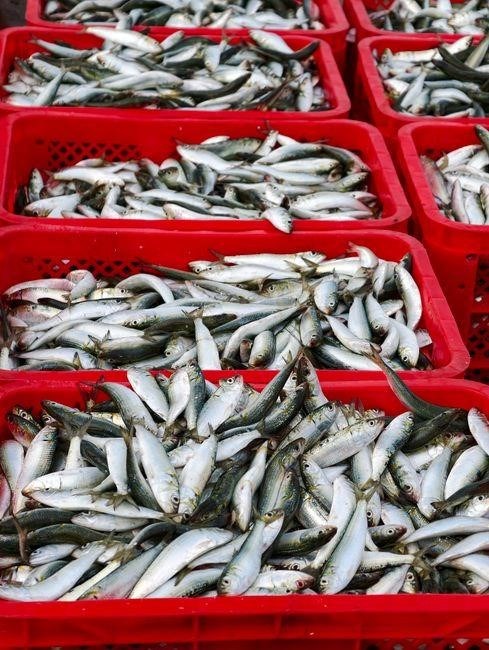
Environmental and Economic Impact Assessment
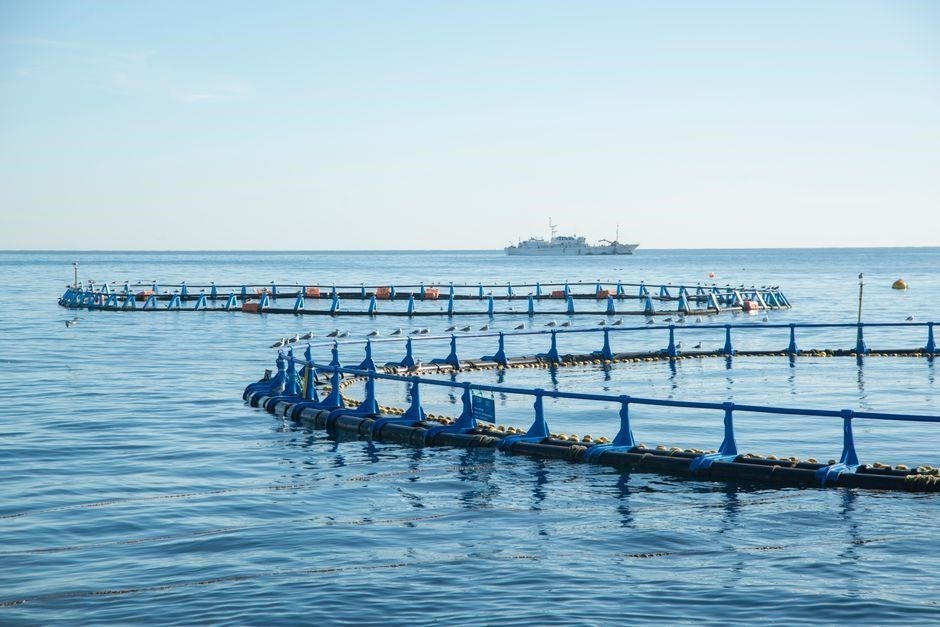
The 2024 Food Fishery schedule PDF highlights balanced quotas‚ reducing overfishing while sustaining local economies. Updated catch limits protect spawning stocks. Monitoring data informs adaptive policy for long‑term resilience ensuring growth. now.
Impact on Local Communities and Economies
Local economies in Newfoundland and Labrador remain tightly linked to the seasonal rhythms of the food fishery‚ as outlined in the 2024 schedule PDF. The document details how cod‚ halibut‚ and other species quotas directly influence the number of vessels permitted to operate each season‚ thereby affecting employment rates in coastal towns. In 2024‚ the adjusted cod quota reflects a 12% increase from the previous year‚ translating into an estimated 200 additional fishing days for small‑scale operators. This boost supports not only fishermen but also ancillary businesses such as boat maintenance‚ gear suppliers‚and local processing plants. The schedule also introduces stricter closed‑season windows for juvenile fish‚ which‚ while temporarily limiting catch volumes‚ are projected to enhance long‑term stock resilience. Communities have responded by diversifying income streams; several municipalities have expanded eco‑tourism initiatives‚ that align with the open‑season windows. The 2024 schedule emphasizes data transparency‚ requiring vessels to submit real‑time catch reports via the provincial digital platform. This data collection improves market forecasting for fish buyers and helps stabilize price volatility‚ which historically has impacted small‑holder profitability. The economic impact extends to the provincial budget‚ where increased licensing fees and compliance costs are offset by higher tax revenues from successful harvests. Finally‚ the schedule’s focus on sustainable practices fosters community pride and intergenerational stewardship‚ ensuring that the cultural heritage of fishing endures while adapting to contemporary environmental challenges.
Future Outlook and Policy Adjustments for 2025 and Beyond
Looking ahead‚ the 2024 Food Fishery schedule PDF signals a shift toward adaptive management in Newfoundland and Labrador. The provincial government plans to incorporate real‑time stock assessments‚ allowing quarterly quota revisions rather than fixed annual limits. This approach aims to balance market demand with ecological sustainability‚ ensuring that cod‚ halibut‚ and other key species remain viable for future generations. In 2025‚ the Fisheries Department will pilot a “Dynamic Closed‑Season” model‚ closing specific zones when juvenile recruitment metrics fall below threshold levels. The pilot will be evaluated after the first harvest season‚ with adjustments made to the 2026 schedule accordingly. Additionally‚ the policy framework will integrate climate‑resilience metrics‚ such as sea‑temperature anomalies and ocean‑acidification indices‚ into quota calculations. This integration is expected to reduce the risk of over‑exploitation during anomalous warming events. The 2025 schedule will also introduce a “Community‑Based Monitoring” program‚ granting local fishers access to satellite‑derived catch‑effort data‚ thereby enhancing transparency and compliance. Financial incentives‚ including low‑interest loans for gear upgrades and fuel‑efficiency retrofits‚ will be rolled out to encourage adoption of eco‑friendly technologies. Finally‚ the province will collaborate with federal agencies to align provincial quotas with the Atlantic Fisheries Management Plan‚ ensuring consistency across jurisdictional boundaries and fostering a unified North Atlantic fishery strategy. These policy adjustments are designed to secure economic stability for coastal communities while safeguarding marine ecosystems for the long term. Stakeholders will convene quarterly to review data‚ and the government will publish transparent reports to maintain public trust. By 2027‚ the province aims to achieve a 15% increase in fishery revenue while maintaining stock health‚ demonstrating a model of sustainable growth for the Atlantic region. Youth programs launch next spring now!