
The Modern Guide to Skin Health (Updated November 12, 2025)
The US beauty industry is transforming, prioritizing long-term skin health, transparency, and holistic wellness, while “prejuvenation” gains traction as a preventative aging approach.
The pursuit of healthy skin is no longer solely about addressing visible concerns; it’s undergoing a significant evolution. We’re witnessing a shift from reactive treatments to proactive, preventative measures – a concept often termed “prejuvenation.” This involves preserving youthful skin before the noticeable signs of aging appear, reflecting a growing understanding of long-term skin wellness.
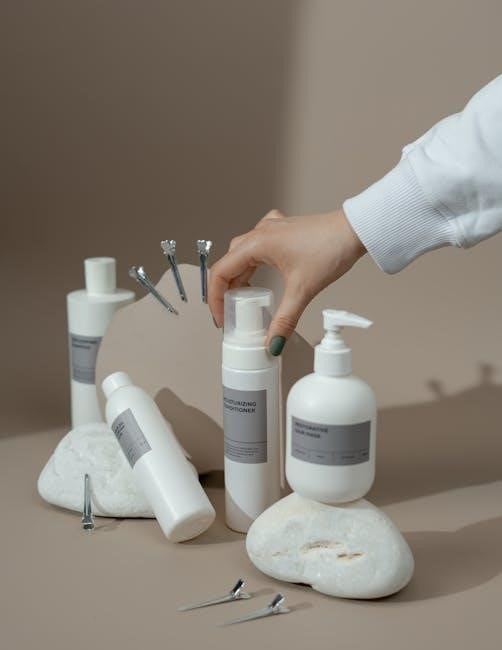
Consumer demand is driving this change, with increased emphasis on ingredient transparency and holistic approaches. The US beauty industry, projected to reach USD 4,620.4 million by 2035, is responding by integrating these values. Simultaneously, social media’s influence is undeniable, fueling viral trends – some beneficial, others potentially harmful – impacting skincare choices globally.
This guide navigates this complex landscape, offering evidence-based insights into effective skincare, trending ingredients, and the importance of discerning information amidst the digital noise. We’ll explore ancient wisdom like Ayurveda alongside cutting-edge technological advancements, all with the goal of empowering you to make informed decisions for your skin’s health.
The Rise of Preventative Skincare: “Prejuvenation”
“Prejuvenation,” a proactive approach to skincare, is rapidly gaining momentum as research increasingly validates the benefits of preserving youthful skin before visible aging occurs. Unlike traditional skincare focused on correcting damage, prejuvenation centers on preventing it. This philosophy acknowledges that optimizing the aging process isn’t a new concept for scientists, but is now reaching mainstream consumer awareness.
As the festive season approaches, more individuals are embracing this preventative mindset. It’s about building a robust skincare routine that supports the skin’s natural functions, protecting it from environmental stressors and internal factors that contribute to premature aging. This includes diligent sun protection, antioxidant use, and maintaining optimal skin hydration.
Prejuvenation isn’t solely about aesthetics; it’s about investing in long-term skin health and overall well-being. It represents a shift towards a more mindful and proactive relationship with skincare, prioritizing prevention over correction.
Understanding Your Skin Type: A Foundation for Health
Establishing a truly effective skincare regimen begins with a clear understanding of your individual skin type. This foundational step dictates product selection and routine customization, maximizing benefits and minimizing potential irritation. While generalizations exist – normal, dry, oily, combination, and sensitive – skin is remarkably unique and can fluctuate based on environmental factors and internal health.
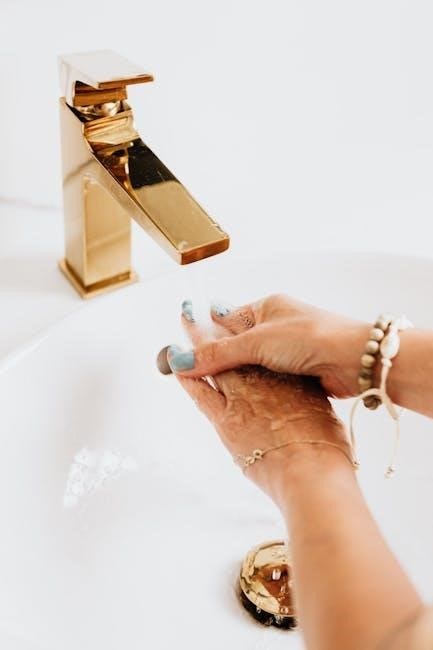
Identifying your skin type involves careful observation. Does your skin feel tight and flaky after cleansing (dry)? Does it appear shiny and prone to breakouts (oily)? Or perhaps you experience both dryness and oiliness in different areas (combination)? Sensitive skin often reacts to various products with redness or itching.
Beyond these basics, consider factors like skin tone, concerns (acne, aging, hyperpigmentation), and lifestyle. A dermatologist can provide a professional assessment, but self-awareness is the crucial first step towards achieving optimal skin health.
The Core Four: Essential Skincare Components
A robust skincare routine doesn’t require endless products; instead, focus on mastering four core components. These elements form the bedrock of healthy, resilient skin, addressing fundamental needs and protecting against environmental stressors. Consistency is paramount – a simple, well-executed routine trumps a complex, sporadic one.
These four pillars are cleansing, sun protection, moisturization, and antioxidants. Cleansing removes dirt, oil, and pollutants, preparing skin for subsequent treatments. Sun protection, arguably the most vital step, shields against damaging UV rays. Moisturizers replenish hydration, maintaining the skin barrier’s integrity. Finally, antioxidants combat free radical damage, preventing premature aging.
Integrating these four elements daily establishes a proactive approach to skin health, promoting a radiant complexion and long-term vitality. Prioritize quality formulations tailored to your specific skin type.
Cleansing: Beyond Basic Soap
Effective cleansing extends far beyond simply washing away dirt with traditional soap. Modern cleansers are formulated with diverse ingredients to address specific skin concerns, from gentle, hydrating options for dry skin to clarifying formulas for oily or acne-prone complexions. Harsh soaps can strip the skin of its natural oils, disrupting the delicate balance of the skin barrier and leading to irritation.
Consider your skin type when selecting a cleanser. Cream or oil-based cleansers are ideal for dry skin, while gel or foaming cleansers suit oily skin. Micellar water offers a gentle, no-rinse option. Double cleansing – using an oil-based cleanser followed by a water-based cleanser – is a popular technique for thorough makeup removal and deep cleaning.
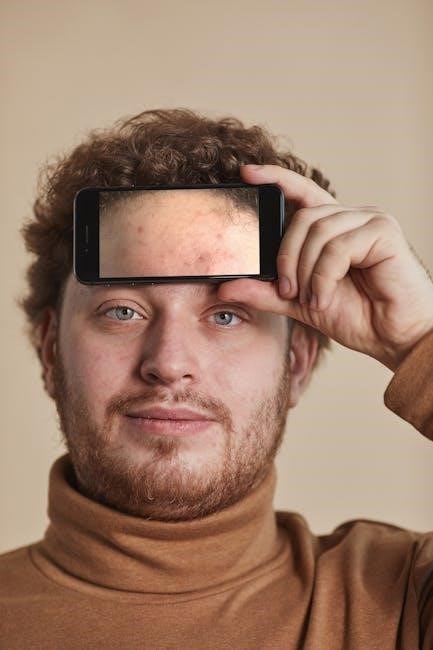
Ultimately, the goal is to cleanse without compromising the skin’s natural protective barrier.
Sun Protection: The Cornerstone of Skin Health
Sun protection remains the single most crucial element in any skincare regimen. Daily, broad-spectrum sunscreen use – shielding against both UVA and UVB rays – is paramount for preventing premature aging, sunburn, and significantly reducing the risk of skin cancer. Dermatologists are increasingly vocal about the dangers of insufficient sun protection, especially concerning emerging trends like intentionally creating “sunburn tattoos” which cause painful burns.
Opt for a sunscreen with an SPF of 30 or higher, and reapply every two hours, or immediately after swimming or sweating. Beyond sunscreen, protective clothing, hats, and seeking shade during peak sun hours are vital. Remember, sun damage accumulates over time, making consistent protection essential for long-term skin health.
Moisturization: Hydration is Key
Maintaining optimal skin hydration is fundamental to a healthy skin barrier and overall skin function. Effective moisturization goes beyond simply alleviating dryness; it supports the skin’s natural repair processes and protects against environmental stressors. The current focus on “prejuvenation” emphasizes preserving youthful skin, and hydration is central to this approach.
Consider your skin type when selecting a moisturizer. Lightweight lotions are suitable for oily skin, while richer creams benefit drier complexions. Ingredients like hyaluronic acid, ceramides, and glycerin are excellent humectants, drawing moisture into the skin. Even with trending skincare practices like “skin fasting” – temporarily reducing product use – re-establishing hydration is crucial post-fast to avoid barrier damage.
Antioxidants: Fighting Free Radical Damage
Environmental aggressors and internal processes generate free radicals, unstable molecules that damage skin cells, accelerating aging and contributing to various skin concerns. Antioxidants neutralize these free radicals, protecting the skin from oxidative stress. This protective function aligns perfectly with the growing “prejuvenation” trend, focused on preventative skin health.

Incorporating antioxidants into your skincare routine is essential. Vitamin C, vitamin E, niacinamide, and resveratrol are potent antioxidants commonly found in serums and creams. These ingredients not only combat free radical damage but also brighten skin tone and improve texture. As the beauty industry shifts towards ingredient transparency in 2025, understanding the role of antioxidants is more important than ever for informed skincare choices.
Trending Ingredients & Their Science
The skincare landscape is constantly evolving, with new ingredients gaining popularity. Currently, snail mucin stands out as an unexpected hero, lauded for its repairing, hydrating, and glow-boosting properties. While seemingly unusual, its composition – containing hyaluronic acid, glycolic acid, and antioxidants – explains its benefits. Simultaneously, peptides are gaining recognition for their collagen-boosting capabilities, aligning with the preventative “prejuvenation” approach.
Peptides act as building blocks for proteins like collagen and elastin, crucial for skin firmness and elasticity. The US beauty industry’s 2025 shift towards long-term skin health fuels demand for scientifically-backed ingredients like these. Understanding the science behind these trends empowers consumers to make informed decisions, moving beyond viral hype and towards effective skincare solutions.
Snail Mucin: The Unexpected Skincare Hero
Snail mucin has rapidly ascended as a dominant force in modern skincare, defying initial skepticism to become one of the decade’s most discussed ingredients. This isn’t merely a fleeting trend; its popularity stems from a compelling scientific foundation. Snail secretion filtrate boasts a remarkable composition, naturally rich in hyaluronic acid, glycolic acid, and potent antioxidants.
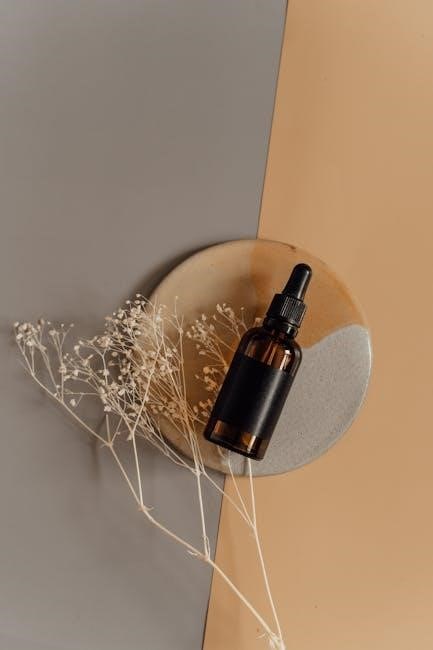
These components work synergistically to deliver a multitude of benefits, including intense hydration, gentle exfoliation, and robust protection against free radical damage. The repairing properties of snail mucin are particularly noteworthy, aiding in wound healing and reducing the appearance of scars. As the US beauty industry prioritizes ingredient transparency and efficacy, snail mucin’s proven results solidify its position as a skincare staple.
The Power of Peptides: Collagen Boosting
Optimizing the aging process is no longer a futuristic concept, but a present-day focus for skincare researchers, and peptides are at the forefront of this revolution. These short chains of amino acids act as building blocks, signaling the skin to produce more collagen – a crucial protein responsible for maintaining elasticity and firmness. As we age, collagen production naturally declines, leading to wrinkles and sagging skin.

Peptides offer a targeted solution, effectively communicating with skin cells to stimulate collagen synthesis. Different peptide types address specific concerns, from reducing fine lines to improving overall skin texture. The US beauty industry’s shift towards long-term skin health has fueled demand for peptide-rich formulations, making them a cornerstone of preventative skincare routines and a key component of “prejuvenation” strategies.
Navigating Viral Skincare Trends: Caution Advised
Social media’s influence on skincare choices is undeniable, yet the rapid spread of viral trends demands a cautious approach. Britons are spending significant amounts on unverified “miracle cures” and supplements, highlighting the potential for financial and dermatological harm. Worryingly, dangerous practices like creating “sunburn tattoos” – intentionally burning skin while shielding areas with stickers – are emerging on platforms like TikTok, causing painful burns and increasing skin cancer risk.
Another concerning trend, “acid cocktailing,” involves mixing different exfoliating acids, potentially leading to severe irritation and damage to the skin barrier. Even seemingly benign practices like “skin fasting,” while aiming to reset the skin, can disrupt its natural function if not approached carefully. Prioritize evidence-based skincare and consult a dermatologist before attempting any viral trend.
The Dangers of “Sunburn Tattoos”
Dermatologists are issuing urgent warnings regarding the incredibly dangerous TikTok trend of “sunburn tattoos.” This practice involves intentionally exposing skin to sunburn while using stickers, tape, or sunscreen to create a design. The resulting contrast mimics a tattoo, but at a devastating cost to skin health. This deliberate sun exposure significantly elevates the risk of skin cancer, including melanoma, the deadliest form.
Beyond the cancer risk, sunburns cause immediate pain, inflammation, and long-term skin damage, accelerating premature aging. The skin’s protective barrier is compromised, increasing vulnerability to infection. This trend demonstrates a profound misunderstanding of sun safety and the serious consequences of UV radiation. Avoid this practice entirely and prioritize sun protection at all times – it’s never worth the risk.

“Acid Cocktailing”: Risks and Alternatives
A concerning skincare trend gaining traction on platforms like TikTok and Instagram is “acid cocktailing” – the practice of mixing different exfoliating acids (AHAs, BHAs, retinoids) in the same routine, or layering them in close succession. While each acid individually can offer benefits like improved texture and reduced breakouts, combining them dramatically increases the risk of severe skin irritation, chemical burns, and compromised skin barrier function.
The synergistic effect can lead to excessive exfoliation, redness, peeling, and heightened sensitivity. Instead of cocktailing, focus on incorporating one active ingredient at a time, gradually increasing frequency as tolerated. Prioritize gentle exfoliation and barrier repair. Consult a dermatologist for personalized advice on safe and effective acid usage tailored to your skin type and concerns – don’t gamble with your skin’s health!
Skin Fasting: Resetting Your Skin Barrier
“Skin fasting,” the practice of temporarily reducing or eliminating skincare products, is emerging as a method to potentially “reset” a compromised skin barrier. Proponents believe this allows the skin to recalibrate its natural functions – oil production, hydration, and defense mechanisms – without constant external intervention. However, it’s not a one-size-fits-all solution and can easily backfire.
While a simplified routine can be beneficial for some, completely stripping the skin can exacerbate existing issues like dryness, sensitivity, and inflammation. If attempting a skin fast, it should be approached cautiously, focusing on gentle cleansing and hydration with minimal ingredients. Listen to your skin; if irritation arises, immediately reintroduce supportive products. A dermatologist can help determine if skin fasting is appropriate for your specific skin type and concerns.
The Impact of Social Media on Skincare Choices
Social media platforms have profoundly reshaped how individuals discover and adopt skincare practices, often driving significant spending on viral trends. Britons, and consumers globally, are increasingly influenced by online recommendations, leading to purchases of supplements and “miracle cures” with questionable efficacy. This constant exposure to new products and routines creates a cycle of experimentation, fueled by aspirational content and peer influence.
However, this digital landscape also presents risks. The rapid spread of misinformation and unverified claims can lead to harmful practices, as evidenced by dangerous trends. Critical evaluation of online content is crucial; consumers should prioritize evidence-based information from qualified dermatologists and skincare professionals over anecdotal endorsements. Social media’s impact necessitates a discerning approach to skincare choices.
The US Beauty Industry in 2025: A Transformative Shift
The US beauty industry is currently undergoing a significant evolution, moving beyond superficial aesthetics towards a deeper focus on long-term skin health and overall wellness. Consumer demand is now heavily weighted towards ingredient transparency, seeking clarity on formulations and sourcing. This shift reflects a growing awareness of the skin’s complex biology and the importance of preventative care;
Projected growth indicates the sector will add USD 1,157.4 million between 2030 and 2035, reaching USD 4,620.4 million – a substantial 56% of total decade expansion. This integration of advanced technologies, personalized skincare solutions, and holistic approaches signals a transformative period, prioritizing efficacy and sustainable practices over fleeting trends.
Holistic Approaches to Skin Health
Recognizing the interconnectedness of mind, body, and skin, holistic approaches are gaining prominence in modern skin health. Ayurveda, an ancient Indian healing system, offers gentle and effective skincare solutions rooted in natural ingredients and personalized regimens, addressing imbalances to promote radiant skin.
Crucially, the gut-skin connection is now widely acknowledged; internal wellness profoundly impacts dermal health. A balanced gut microbiome supports nutrient absorption, reduces inflammation, and strengthens the skin barrier. Prioritizing a nutrient-rich diet, managing stress, and ensuring adequate hydration are integral components of a holistic skincare strategy, complementing topical treatments for optimal results.
Ayurveda for Skin: Ancient Wisdom
Ayurveda, a traditional Indian healing system, presents a uniquely personalized approach to skincare, viewing skin conditions as manifestations of internal imbalances. This ancient wisdom emphasizes identifying one’s dosha – Vata, Pitta, or Kapha – to tailor treatments accordingly.
Ayurvedic skincare utilizes natural ingredients like herbs, oils, and spices, chosen for their specific properties to balance doshas and address concerns like inflammation, dryness, or acne. Gentle cleansing, nourishing oils, and dietary adjustments form the core of this practice. It’s not merely about topical application; it’s a holistic lifestyle encompassing diet, stress management, and mindful living, promoting radiant skin from within, offering a gentle and effective path to lasting skin health.
The Gut-Skin Connection: Internal Wellness
Emerging research increasingly highlights the profound link between gut health and skin health; The gut microbiome – the trillions of bacteria residing in our digestive system – significantly influences systemic inflammation, hormone balance, and nutrient absorption, all crucial for skin vitality. An imbalanced gut, often due to poor diet, stress, or antibiotic use, can manifest as skin issues like acne, eczema, and rosacea.
Prioritizing gut health through a diet rich in fiber, probiotics (found in fermented foods), and prebiotics (feeding beneficial bacteria) can dramatically improve skin complexion and resilience. Addressing food sensitivities, managing stress levels, and ensuring adequate hydration further support a healthy gut-skin axis, demonstrating that true radiance begins within.
The Future of Skin Health: Technological Advancements
The landscape of skincare is poised for radical transformation driven by technological innovation. Between 2030 and 2035, the sector is projected to experience substantial growth, adding USD 1,157.4 million, reaching USD 4,620.4 million – a 56% expansion over the decade. This surge is fueled by widespread integration of personalized skincare solutions.
Expect advancements in AI-powered skin analysis tools offering customized product recommendations and treatment plans. Nanotechnology will deliver targeted ingredient penetration, maximizing efficacy. Furthermore, bio-printing of skin tissues for research and potential regenerative therapies is on the horizon. These developments promise a future where skincare is not just reactive, but proactive and precisely tailored to individual needs.
Budget-Friendly Skin Health: Effective Options
Maintaining healthy skin doesn’t necessitate exorbitant spending. Social media’s viral trends often drive up costs, leading Britons to spend thousands on unproven “miracle cures” and supplements. However, effective skincare is achievable without breaking the bank.
Prioritize the core four: cleansing, sun protection, moisturization, and antioxidants. Affordable cleansers, broad-spectrum sunscreens, and basic moisturizers are readily available. Incorporate antioxidant-rich foods into your diet. Consider “skin fasting” – temporarily reducing product use – to allow your skin barrier to reset, potentially reducing reliance on expensive treatments. Focus on consistency with a simplified routine rather than chasing fleeting trends; this yields the best results at any budget.