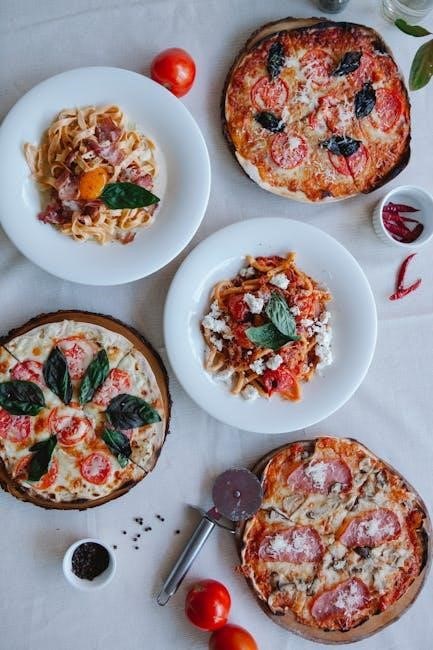
Oven-ready lasagna noodles revolutionize a classic dish, offering convenience for busy cooks! These noodles eliminate pre-boiling, drastically reducing preparation time and simplifying the entire process.
Modern home cooks appreciate this innovation, allowing a traditional lasagna to be prepared in under an hour, serving up to twelve people with ease and enjoyment.
What are Oven-Ready Lasagna Noodles?
Oven-ready lasagna noodles are a pre-cooked, dehydrated pasta specifically designed to be used directly in lasagna recipes without prior boiling. Unlike traditional lasagna noodles, these require no separate boiling step, streamlining the cooking process significantly. They are typically made from durum wheat semolina and have a slightly different texture than their traditional counterparts.
These noodles absorb moisture from the sauce during baking, becoming tender and perfectly cooked within the lasagna. They’re a modern convenience, born from the desire to simplify classic Italian cuisine for the home cook. This innovation allows for a quicker, easier lasagna experience, perfect for weeknight meals or when time is limited, while still delivering a delicious result.
Benefits of Using Oven-Ready Noodles
Oven-ready noodles offer numerous advantages for lasagna preparation; The most significant benefit is time savings – eliminating the boiling step cuts down on overall cooking time, making lasagna a viable weeknight meal. They also reduce kitchen clutter, as there’s no need for a large pot to boil the noodles.
Furthermore, these noodles simplify the process, making lasagna more accessible to beginner cooks. They minimize the risk of sticky, overcooked noodles, a common issue with traditional methods. The convenience doesn’t compromise flavor; when layered with sauce, they absorb moisture and cook to a perfect al dente texture, delivering a satisfying and delicious lasagna experience.
A Brief History of Lasagna
Lasagna’s origins trace back to ancient Greece, with layered pasta dishes called “laganon.” However, the modern lasagna we know evolved in Italy, specifically in the Emilia-Romagna region, during the Middle Ages. Early versions featured layers of pasta with ragu, a meat-based sauce, and béchamel.
Over time, regional variations emerged, incorporating different cheeses and vegetables. While traditionally a labor-intensive dish, requiring handmade pasta and slow-simmered sauces, the introduction of oven-ready noodles in recent decades has democratized lasagna, making it accessible to home cooks seeking convenience without sacrificing the beloved flavors of this Italian classic.
Preparing for Baking: Essential Steps
Successful lasagna begins with careful preparation! Gather your ingredients, select a suitable baking dish, and expertly prepare your sauce for optimal flavor and texture.

Gathering Ingredients
Creating a delicious lasagna requires a thoughtful collection of fresh, high-quality ingredients. Naturally, you’ll need oven-ready lasagna noodles – the star of our simplified recipe! Beyond those, gather your favorite sauce, whether homemade or store-bought, ensuring it’s rich and flavorful.
Ricotta cheese forms the creamy base of many lasagna recipes, alongside mozzarella and Parmesan for that perfect cheesy pull. Don’t forget eggs to bind the ricotta mixture! If you’re opting for a meat lasagna, ground beef, Italian sausage, or a combination will add savory depth. Finally, consider seasonings like Italian herbs, garlic, and onion to elevate the overall taste profile.
Choosing the Right Baking Dish
Selecting the appropriate baking dish is crucial for lasagna success. A 9×13 inch rectangular dish is the most common and generally ideal size, comfortably accommodating the layers. Glass or ceramic dishes work wonderfully, distributing heat evenly for consistent cooking.
However, be mindful that glass retains heat longer, potentially leading to continued cooking even after removal from the oven. A deeper dish is preferable, preventing potential sauce overflow during baking – a large sheet pan underneath offers extra insurance! Ensure the dish is oven-safe, of course, and consider its weight when full; lasagna can become quite heavy.
Preparing the Sauce
A flavorful sauce is the heart of any lasagna. Whether you opt for a classic tomato-based sauce or a creamy béchamel, ensure it’s sufficiently liquid. Oven-ready noodles rely on the sauce’s moisture to cook properly. Simmer your sauce for at least 20 minutes to develop rich flavors, stirring occasionally to prevent sticking.
Consider adding a touch of water or broth if the sauce seems too thick. Remember, the noodles will absorb liquid during baking. Season generously with herbs, spices, and a pinch of sugar to balance acidity. A well-prepared sauce guarantees a tender and delicious lasagna!
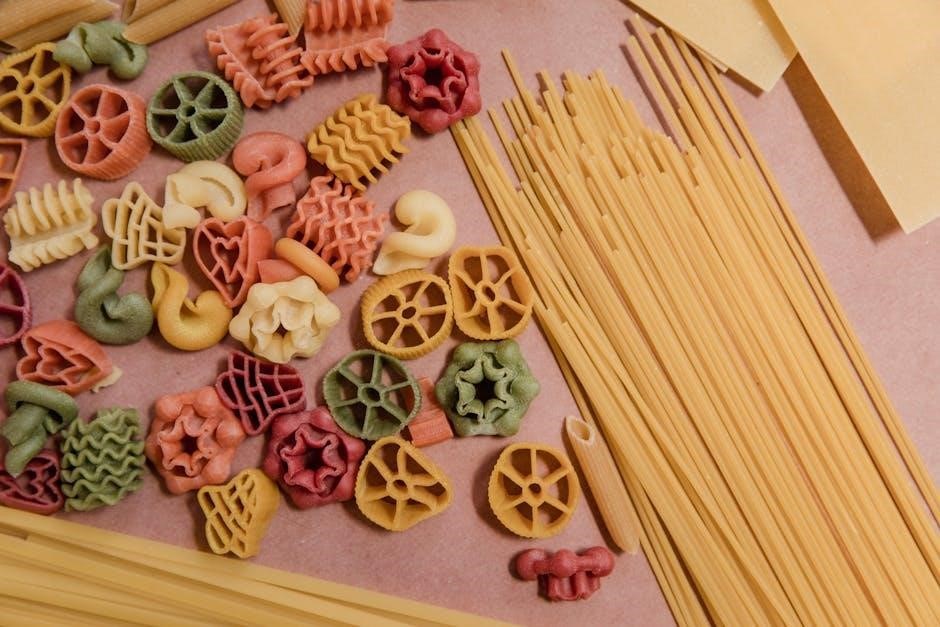
Layering the Lasagna
Strategic layering is key! Begin with sauce, then noodles, followed by a ricotta mixture and optional meat. Repeat these layers, ensuring even distribution for optimal texture.
Proper layering guarantees each bite delivers a harmonious blend of flavors and perfectly cooked, tender oven-ready noodles.
First Layer: Sauce
Begin with a generous layer of your chosen sauce – whether it’s a classic tomato-based marinara, a creamy béchamel, or a hearty meat sauce. This foundational layer is crucial, as it provides moisture that helps the oven-ready noodles begin to soften during baking.
Spread the sauce evenly across the bottom of your baking dish, ensuring it reaches the edges. This prevents the noodles from sticking and promotes consistent cooking. A thicker sauce is preferable, as it offers better coverage and prevents a watery lasagna. Don’t be shy with the amount; a robust sauce layer is the cornerstone of a delicious lasagna!
Approximately 1.5 to 2 cups of sauce are generally recommended for the initial layer, depending on the size of your dish.
Second Layer: Noodles
Carefully arrange a single layer of oven-ready lasagna noodles over the sauce, slightly overlapping them to cover the entire surface. Don’t worry about perfectly fitting the noodles; slight gaps are acceptable as they will soften and expand during baking.
Avoid breaking the noodles unnecessarily, as intact pieces contribute to a more structurally sound lasagna. The noodles will absorb moisture from the sauce as they bake, so complete coverage isn’t essential. This layer is the key to the no-boil convenience, eliminating a time-consuming step!
Typically, three to four noodles are needed for each layer, depending on the dish’s dimensions.
Third Layer: Ricotta Mixture
Spread a generous, even layer of ricotta cheese mixture over the noodles. This mixture typically includes ricotta, eggs, Parmesan cheese, and seasonings like parsley, salt, and pepper. Ensure the ricotta is well-combined for a smooth, consistent texture.
The ricotta layer provides a creamy, flavorful contrast to the sauce and meat. Distribute it evenly to ensure every bite contains this delightful component. Approximately 15-20% of the total ricotta mixture should be used for each layer, depending on your preference.
Don’t skimp on the ricotta – it’s a crucial element of a classic lasagna!
Fourth Layer: Meat (Optional)
If desired, add a layer of cooked meat – typically ground beef, Italian sausage, or a combination of both – over the ricotta. Ensure the meat is fully cooked and drained of excess grease before layering. Season the meat generously with Italian herbs, garlic, and onion for enhanced flavor.
For a meat lover’s lasagna, use a hearty portion; for a lighter version, reduce the amount or omit it entirely. Spread the meat evenly across the ricotta layer, creating a consistent distribution of flavor. This layer adds richness and protein to the lasagna.
Consider browning the meat before layering for added depth!
Repeating Layers
Continue layering in the same sequence: sauce, noodles, ricotta mixture, and optional meat. Repeat this process until you’ve used all your ingredients, typically creating three to four layers total. Ensure each noodle layer is fully covered with sauce to prevent dryness during baking.
The final layer should always be sauce, generously spread to ensure the top noodles remain moist and tender. A final sprinkle of mozzarella or Parmesan cheese over the sauce adds a golden, bubbly finish.
Remember, consistent layering is key to a well-balanced and delicious lasagna!
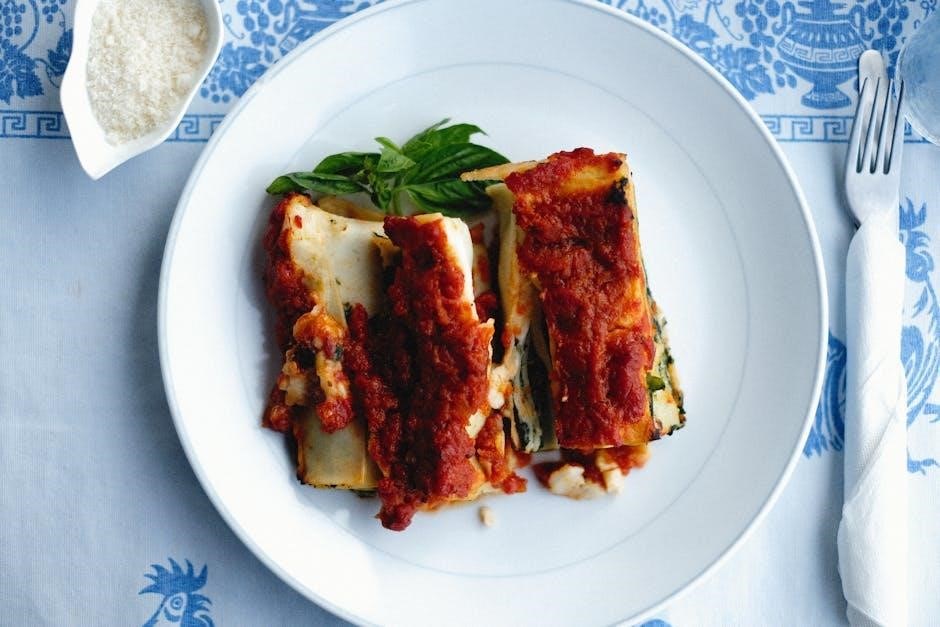
Baking Instructions: Time and Temperature
Bake your lasagna covered at 375°F (190°C) for 30 minutes, then uncover and continue baking for another 15-30 minutes, until bubbly and golden!
Initial Baking: Covered
Beginning the baking process with your lasagna covered is absolutely crucial when utilizing oven-ready noodles. This initial phase, typically lasting around 30 minutes at 375°F (190°C), creates a steamy environment within the baking dish.
This trapped moisture is essential for properly hydrating and cooking the no-boil noodles. Covering the lasagna prevents excessive browning on top before the noodles have had a chance to soften completely.
Remember to place the dish on a large sheet pan to catch any potential spills during this stage. Some cooks suggest a loose tent of aluminum foil, allowing some steam to escape, while others prefer a tightly sealed cover.
The covered bake ensures the noodles become tender and the flavors meld beautifully before the final browning stage.
Uncovering for Browning
After the initial covered bake, removing the foil allows the lasagna to achieve a beautifully browned and bubbly finish. This typically occurs after approximately 30 minutes, but always check for noodle tenderness first.
Uncovering exposes the top layer to direct heat, encouraging the cheese to melt and bubble, and the sauce to slightly caramelize. Continue baking for an additional 10-15 minutes, or until the top is golden brown and the sauce is actively bubbling around the edges.
Keep a close watch during this stage to prevent burning. Adjust the oven temperature slightly if needed, and consider rotating the dish for even browning.
This final step transforms the lasagna from a comforting casserole into a visually appealing and deliciously textured masterpiece.
Optimal Baking Temperature (375°F)
Maintaining a consistent 375°F (190°C) is crucial for evenly cooking oven-ready lasagna noodles and ensuring the sauce simmers gently. This temperature allows the noodles to absorb moisture and become tender without drying out the overall dish.
While some variations suggest adjustments, 375°F provides a reliable balance for most recipes. Preheating the oven to this temperature is essential before placing the lasagna inside. Using a large sheet pan underneath the baking dish can catch any potential spills.
Consistent heat distribution is key; avoid opening the oven door frequently during baking, as this can lower the temperature and affect cooking time.
This temperature promotes a harmonious blend of flavors and textures, resulting in a perfectly cooked lasagna.
Total Cook Time (45-60 Minutes)
The total baking time for lasagna with oven-ready noodles typically falls between 45 and 60 minutes, but this can vary based on your oven and the recipe’s depth. Initial baking, covered with foil, usually lasts around 30 minutes, allowing the noodles to soften and the flavors to meld.
Uncovering the lasagna for the final 15-30 minutes promotes browning and bubbling of the sauce. Some cooks find 35 minutes total is sufficient, while others prefer closer to 60, depending on noodle thickness.
Checking for doneness (see section on checking for doneness) is vital to ensure the noodles are perfectly tender.
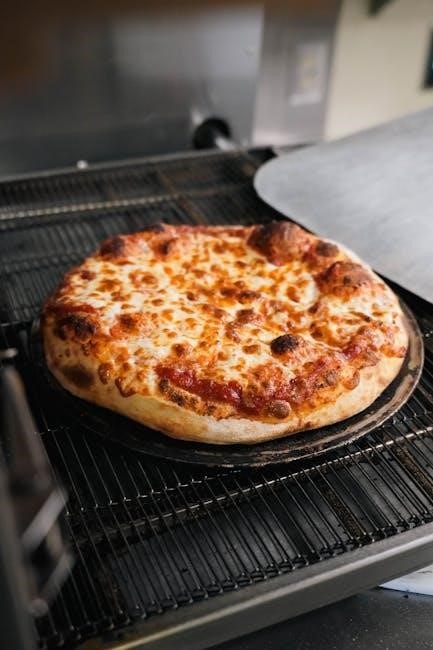
Checking for Doneness
Ensure lasagna is cooked through by testing noodle tenderness with a fork, verifying bubbling sauce, and confirming an internal temperature of 165°F for safety!
Testing Noodle Tenderness
Assessing noodle tenderness is crucial for perfect lasagna. After the initial baking period, gently insert a fork between the layers to check for resistance. The noodles should yield easily to the pressure, indicating they’ve absorbed enough moisture and are fully cooked.
If the noodles still feel firm or crunchy, continue baking, covered, for an additional 5-10 minutes, then retest. Remember, oven-ready noodles rely on the sauce’s moisture to become tender, so sufficient sauce coverage is vital. Consistent checking prevents a frustratingly hard lasagna and guarantees a delightful, soft texture in every bite.
Don’t worry if a little sauce comes up with the fork – that’s a good sign!
Checking Sauce Bubbling
Vigorous sauce bubbling is a key indicator of a properly baked lasagna. During the final 10-15 minutes of baking, especially after uncovering, observe the sauce around the edges and in any visible gaps. It should be actively bubbling, demonstrating that it’s heated through and the flavors have melded beautifully.
This bubbling action also helps to further cook the oven-ready noodles, ensuring they reach optimal tenderness. If bubbling is minimal, extend the baking time slightly. A robust bubble signifies a hot, flavorful lasagna ready to be enjoyed;
Be cautious, as hot bubbling sauce can splatter!
Internal Temperature Check
For ultimate assurance of doneness, use a food thermometer! Insert it into the center of the lasagna, avoiding the edges. The internal temperature should reach 165°F (74°C). This guarantees that the lasagna is heated thoroughly, and any meat components are safely cooked.
While bubbling sauce and tender noodles are good indicators, a temperature check provides definitive confirmation. Remember that oven temperatures can vary, so relying solely on time isn’t always accurate. A consistent 165°F ensures a safe and delicious lasagna experience for everyone.
Allow to rest before checking temperature.
Tips and Tricks for Perfect Lasagna
To prevent dryness, ensure ample sauce between layers and consider adding a splash of water or broth during baking for extra moisture and tender noodles!
Preventing a Dry Lasagna
Dry lasagna is a common concern when using oven-ready noodles, but easily avoidable with a few key techniques. Generously layering sauce – both below, between, and above the noodles – is paramount. The noodles absorb moisture during baking, so sufficient sauce ensures they remain tender.
Don’t hesitate to add a little extra liquid! A quarter cup of water or broth sprinkled over the top layer before covering with foil can create steam, aiding in noodle hydration. Covering the lasagna during the initial baking phase (approximately 30 minutes) also traps moisture, preventing excessive drying.
Remember, oven-ready noodles rely on the sauce’s liquid to cook properly, so skimping on sauce will almost certainly result in a dry, less enjoyable lasagna.
Adding Moisture During Baking
Maintaining adequate moisture is crucial when baking lasagna with oven-ready noodles, as they absorb liquids during the cooking process. If you notice the lasagna seems dry during baking, a simple solution is to add a small amount of liquid. A quarter cup of water or broth, gently poured around the edges of the lasagna, can create steam and rehydrate the noodles.
Another technique involves loosely covering the dish with aluminum foil for the first 30-45 minutes of baking. This traps steam, ensuring the noodles cook through and remain tender.
Monitoring the lasagna and adjusting moisture levels as needed will guarantee a perfectly cooked, flavorful result.
Customizing Your Lasagna
Oven-ready lasagna noodles provide a fantastic base for culinary creativity! Don’t limit yourself to traditional recipes; explore diverse flavor combinations. Get creative with shapes, utilizing ziti or other pasta forms alongside the standard noodles for textural interest.
Vegetarian options flourish with roasted vegetables like spinach, zucchini, and eggplant. Meat lovers can experiment with different sausage varieties or a blend of beef and pork. Consider a white sauce lasagna, swapping the traditional tomato-based sauce for a creamy béchamel.
Personalize your ricotta mixture with herbs, spices, or even a touch of lemon zest to elevate the overall taste;
Troubleshooting Common Issues
If noodles remain hard, ensure sufficient sauce and moisture during baking; cover tightly and extend cooking time. Watery lasagna needs longer baking uncovered.
Burnt lasagna? Reduce oven temperature or cover loosely with foil to prevent over-browning while ensuring proper cooking.
Noodles Still Hard

Encountering hard noodles despite following instructions is a common frustration with oven-ready lasagna. The primary culprit is often insufficient moisture reaching the noodles during baking. Remember, these noodles rely entirely on the sauce’s liquid to soften and cook properly.
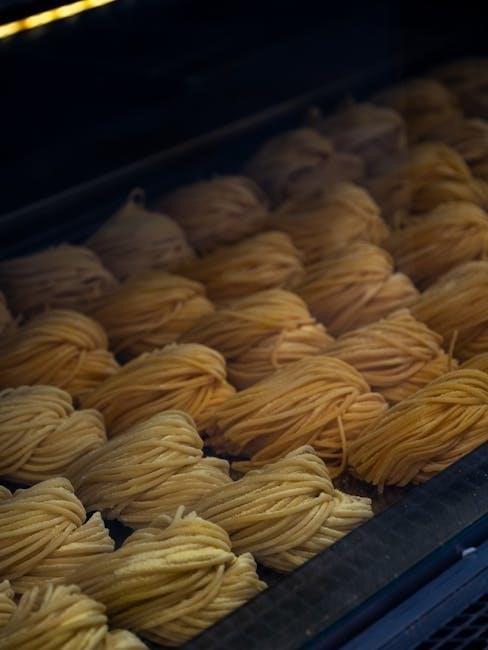
To remedy this, ensure your sauce is adequately liquid – it shouldn’t be overly thick. Generously layer the sauce, ensuring it fully coats each noodle. Covering the lasagna tightly with aluminum foil for the initial baking period (around 30 minutes) traps steam, aiding in noodle hydration. If issues persist, extend the covered baking time by 10-15 minutes before uncovering for browning.
Some cooks even suggest adding a thin layer of water or broth to the bottom of the dish before layering to provide extra moisture.
Lasagna Too Watery
A watery lasagna is often caused by excess moisture released from the ingredients during baking. While oven-ready noodles eliminate pre-boiling, ingredients like ricotta cheese and vegetables naturally contain water. To combat this, thoroughly drain any ricotta cheese before incorporating it into your mixture; consider using whole milk ricotta for a thicker consistency.
Pre-cooking vegetables like spinach or mushrooms helps evaporate excess moisture. Avoid over-saucing; a generous coating is necessary, but excessive sauce leads to a soggy result. Ensure your baking dish isn’t excessively large, as a larger space can allow more liquid to spread and evaporate unevenly.
Allowing the lasagna to rest for at least 15-20 minutes after baking allows it to set and reabsorb some of the liquid.
Burnt Lasagna
A burnt lasagna is a common frustration, often stemming from high baking temperatures or extended cooking times. While 375°F is generally optimal, ovens vary, so monitoring is crucial. If the top browns too quickly, immediately cover the lasagna loosely with aluminum foil to shield it from direct heat.
Using a baking sheet beneath the dish can catch any potential spills and prevent them from burning onto the oven floor. Avoid prolonged uncovered baking, especially towards the end of the cooking process. Check for doneness frequently, starting around 45 minutes, and adjust baking time accordingly.
Remember, residual heat will continue to cook the lasagna even after removal from the oven, so err on the side of slightly undercooked rather than burnt.
Variations and Recipes
Oven-ready noodles excel in diverse lasagna styles! Explore vegetarian options, hearty meat-lover’s versions, or creamy white sauce creations – the possibilities are truly endless.
Get creative with shapes like ziti for a unique twist, adapting recipes to your preferences and dietary needs with ease.
Vegetarian Lasagna
Vegetarian lasagna with oven-ready noodles is a delightful and accessible dish! Begin by sautéing a medley of vegetables – spinach, zucchini, mushrooms, and bell peppers work wonderfully – in olive oil with garlic and Italian herbs.
Layer the oven-ready noodles with a rich ricotta cheese mixture, incorporating the sautéed vegetables. A vibrant marinara sauce, or even a creamy béchamel, complements the filling beautifully. Consider adding layers of mozzarella, parmesan, and provolone for a cheesy indulgence.
Bake covered for approximately 30 minutes at 375°F, then uncover for the final 15-20 minutes to achieve a golden-brown, bubbly finish. This variation showcases the versatility of oven-ready noodles, offering a satisfying meatless meal.
Meat Lovers Lasagna
Meat Lovers Lasagna, utilizing oven-ready noodles, is a hearty and satisfying feast! Begin by browning a combination of your favorite meats – Italian sausage, ground beef, and pepperoni are classic choices – draining any excess grease.
Layer the oven-ready noodles with the browned meat mixture, a robust marinara sauce, and a creamy ricotta cheese blend. Generously sprinkle mozzarella, parmesan, and provolone between layers for maximum cheesy goodness.
Bake covered at 375°F for around 30 minutes, then uncover for the final 15-20 minutes to achieve a beautifully browned and bubbly top. This lasagna is a guaranteed crowd-pleaser, showcasing the convenience of oven-ready noodles.
White Sauce Lasagna
White Sauce Lasagna, made easy with oven-ready noodles, offers a creamy and comforting alternative to traditional red sauce versions. Begin by preparing a classic béchamel sauce – a rich, white sauce made with butter, flour, and milk, seasoned with nutmeg and white pepper.
Layer the oven-ready noodles with the béchamel, sautéed spinach or mushrooms, shredded chicken or Italian sausage, and a blend of mozzarella and parmesan cheeses.
Bake covered at 375°F for approximately 30 minutes, then uncover for the last 15-20 minutes to allow the top to golden and bubble. This elegant lasagna demonstrates how versatile oven-ready noodles truly are!

Serving and Storage
Allow lasagna to rest for 10-15 minutes before serving, enabling it to set. Store leftovers refrigerated for up to 3-4 days, or freeze for longer preservation.
Resting Time Before Serving
Allowing your freshly baked lasagna to rest before slicing and serving is a crucial, often overlooked, step. This resting period, typically around 10 to 15 minutes, allows the layers to settle and firm up considerably.
Without this pause, attempting to serve the lasagna will likely result in messy, unstable slices that fall apart on the plate. The resting time enables the sauce to thicken slightly and the cheese to set, creating a more cohesive and visually appealing presentation.
Think of it as giving the lasagna a moment to “breathe” and regain its structural integrity after the heat of the oven. Patience during this brief wait will reward you with perfectly formed portions and a much more enjoyable dining experience!
Storing Leftover Lasagna
Properly storing leftover lasagna ensures food safety and maintains its delicious flavor. Allow the lasagna to cool completely before transferring it to airtight containers. Individual portions are ideal for quick reheating and portion control.
Refrigerated lasagna will stay fresh for approximately 3 to 4 days. To prevent drying, cover the surface directly with plastic wrap before sealing the container. When reheating, ensure the lasagna reaches an internal temperature of 165°F (74°C) to eliminate any potential bacteria.
Enjoying leftovers is a convenient way to savor the flavors of your lasagna for days to come, minimizing food waste and maximizing enjoyment!
Freezing Lasagna
Freezing lasagna is an excellent method for preserving this comforting dish for future enjoyment. Allow the baked lasagna to cool completely before portioning it into freezer-safe containers or wrapping tightly in plastic wrap followed by aluminum foil.
Properly frozen lasagna can maintain its quality for up to 2-3 months. When ready to enjoy, thaw the lasagna overnight in the refrigerator. For best results, bake from frozen, adding approximately 15-20 minutes to the total cooking time and covering with foil initially.
Freezing ensures you always have a delicious, homemade meal readily available!